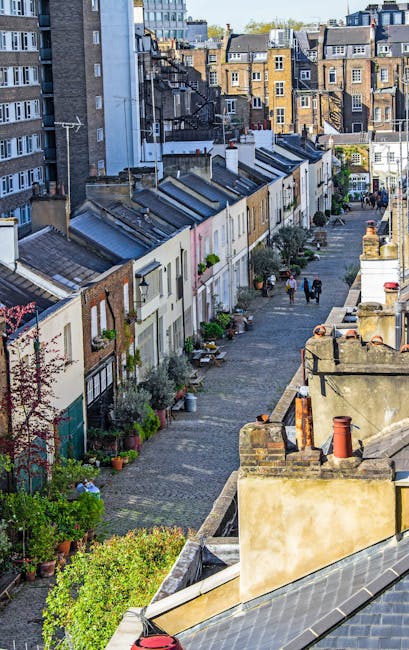
Bankside terraces and gardeners for narrow Southwark plots: a practical guide to making compact city gardens work
If you live near Bankside, you already know the charm of the area is matched by one very real challenge: space is tight. Terraces can be long and narrow, awkwardly shaded, overlooked, or squeezed between brick walls and boundary fences. That is exactly why Bankside terraces and gardeners for narrow Southwark plots is such a useful topic. The right approach can turn a cramped outdoor strip into a calm, usable garden that feels bigger than it is.
This guide looks at how compact Southwark gardens can be planned, maintained, and improved without wasting money or precious square footage. We will cover layout ideas, maintenance routines, common mistakes, and what to expect from a local gardening team. A small plot can still be a proper garden. Truth be told, sometimes it becomes a better one because every choice has to earn its place.
Why Bankside terraces and gardeners for narrow Southwark plots Matters
Narrow gardens in Bankside and the wider Southwark area tend to share a few traits: limited width, tall surrounding buildings, reduced sunlight, and hard surfaces that can make them feel even tighter. Add in busy London living and, let's face it, gardening often gets pushed to the bottom of the list until the space starts looking a bit lost.
That is a shame, because a small outdoor area can add real value to daily life. It can be a place for morning coffee, a few pots of herbs, a child's play corner, or a quiet seat after work. The difference is not size. It is planning.
For narrow Southwark plots, the job is not simply to "tidy up" the garden. It is to make decisions that support movement, light, privacy, and maintenance all at once. That is where experienced gardeners make a visible difference. They understand how to avoid overcrowding, how to use vertical space, and how to keep the garden practical in a dense urban setting.
If you want a broader view of what a local team can handle, the services overview is a helpful starting point. For readers comparing levels of support, regular care through garden maintenance often matters more than one dramatic makeover. Small gardens show neglect quickly. They also reward consistency quickly. Funny how that works.
How Bankside terraces and gardeners for narrow Southwark plots Works
The process usually starts with the shape of the garden, not the planting list. In compact plots, good gardeners look at access, drainage, boundaries, height, shade, and how the garden is actually used day to day. A narrow terrace by a kitchen door has different needs from a slim back garden at the end of a Southwark mews-style property.
From there, the work typically follows a few practical steps:
- Clear the clutter and assess the site. Old pots, overgrown shrubs, broken edging, and tired surfaces can make a small garden feel twice as cramped.
- Map the usable zones. Even in a tight space, you may have room for seating, planting, and a small utility corner if the layout is sensible.
- Choose space-efficient features. Slim planters, wall planting, trellis, compact paving, and simple decking can all help a lot.
- Balance structure and softness. In a narrow plot, too many loose elements create visual noise. Good structure calms the eye.
- Build in manageable maintenance. If the scheme is too fussy, it will not stay looking good for long.
This is where professional judgement matters. A garden can be technically beautiful and still be a nuisance to live with. Or a bit of both, to be fair. The best results are usually the ones that feel calm, not crowded.
In many Bankside and Southwark gardens, the smartest improvements are not huge. They are subtle: tidier edges, better access, more consistent mowing or trimming, and a planting scheme that fits the light levels instead of fighting them. Services such as landscape gardening and landscaping are often used together when a narrow plot needs both design thinking and practical construction.
Key Benefits and Practical Advantages
A well-managed narrow garden can do more than look neat. It can change how you use the whole property. In our experience, people often underestimate the emotional effect of a tidy, balanced outdoor space until they see it finished. Suddenly the back door feels brighter. The room opens out. The garden stops being a problem and starts becoming a place.
- Better visual space: Simple lines, layered planting, and reduced clutter help a narrow plot feel longer and more open.
- Easier upkeep: A sensible layout cuts down the time needed for pruning, mowing, and general tidying.
- Improved usability: Small gardens can still support seating, planting, storage, and movement without feeling cramped.
- More privacy: Careful use of hedge height, screening, and trellis can reduce the sense of being overlooked.
- Healthier planting: Plants that suit shade, wind exposure, and soil conditions tend to establish better and need less rescue work later.
There is also a practical property benefit. A neat, functional outdoor area tends to create a stronger first impression. Even if the garden is tiny, people notice whether it feels cared for. They notice the edges. They notice whether the soil is drained. They notice whether it smells fresh after rain or simply swampy. Small details, big impact.
For many homeowners, the real value comes from reducing stress. A garden that is easy to maintain does not nag at you every weekend. That matters more than a dramatic transformation that looks amazing for a fortnight and then slides backwards.
Who This Is For and When It Makes Sense
This kind of work suits anyone with a narrow terrace, courtyard, slim rear garden, side return, or compact patio in or around Southwark. It is especially useful where the garden has become overgrown, the layout feels awkward, or the space is underused because it seems too small to bother with. Honestly, that last one is common.
You may benefit most if you are:
- a homeowner wanting a better outdoor room without major building work
- a landlord needing a reliable refresh between tenancies
- a busy household that needs low-maintenance planting and clean surfaces
- someone with a terrace that gets uneven shade and patchy growth
- a resident who wants more privacy or a calmer outlook from the kitchen or lounge
It also makes sense if your current setup has become impractical. Maybe the lawn is too small to justify, maybe borders are swallowing the path, or maybe the whole space just feels like a storage area for random pots and forgotten canes. We have all seen gardens like that. The good news is they are usually easier to improve than people expect.
If the issue is heavy overgrowth or a complete reset, a one-off garden clearance may be the cleanest first step. Then the space can be rebuilt with a better long-term plan. That is usually more efficient than trying to patch over years of clutter.
Step-by-Step Guidance
Here is a sensible way to approach a narrow Southwark plot without overcomplicating things.
1. Measure the space properly
It sounds obvious, but many problems begin with guesswork. Measure width at several points, note any bottlenecks, and mark where doors open, drains sit, or walls create tight turns. In compact gardens, a few centimetres matter.
2. Understand light and shade
Observe the garden at different times of day. A plot near tall Bankside buildings can have a very different morning pattern from its afternoon pattern. If the garden gets only a few hours of light, choose shade-tolerant planting instead of forcing sun-loving species to survive. That never ends well, and you know it.
3. Define the purpose
Do you want seating, planting, storage, child-friendly space, or all four? Pick the top two priorities first. Narrow gardens work best when they are assigned clear jobs. If everything tries to happen everywhere, the space starts feeling twitchy.
4. Create one clear route through the garden
Even the smallest garden benefits from a sensible line of movement. Avoid making people step around pots or squeeze between planters. Flow is a luxury in a tight plot, but it is worth protecting.
5. Use vertical space intelligently
Wall-mounted planting, climbers, slender trellis, and layered heights can give the impression of depth without taking up floor space. A bare boundary wall in a narrow terrace can look harsh; soften it, but do not smother it.
6. Keep materials simple
In small gardens, too many finishes can create visual clutter. Usually, one main paving choice, one timber or composite detail, and a limited planting palette is enough. Clean choices age better.
7. Build in maintenance from the start
This is the part people skip. If pruning access is poor, if a hedge blocks the path, or if a lawn is too narrow for practical mowing, maintenance will become a chore. A garden should be designed for real life, not just the first photo.
Expert Tips for Better Results
There is a difference between a garden that looks designed and a garden that simply has expensive things in it. Narrow Southwark plots need the first kind. Here are a few lessons that come up again and again.
- Pick fewer, better plants. A compact border packed with mixed shrubs can quickly look chaotic. Repetition is your friend.
- Use height carefully. Tall planting can add privacy, but too much of it creates a tunnel effect. Keep sightlines in mind.
- Watch the edges. Crisp borders and neat trims make a small plot look controlled, which is a good thing.
- Plan for wet weather. London rain will show up whether the garden is ready or not. Surfaces need to drain, and planting beds need decent soil structure.
- Choose maintenance that matches your schedule. If you only have time every few weeks, design for that. Do not create a high-maintenance display and then blame the weather.
For routine upkeep, a mix of lawn mowing, hedge trimming, and general tidy-ups usually gives the best return in compact spaces. If there are trees overshadowing the plot or causing too much leaf fall, tree lopping and removal may need to be considered carefully and professionally, especially where access is awkward.
A small bit of humour here: a narrow garden can make you feel like a landscape designer and a contortionist at the same time. That is normal. Especially when the hedge trimmer is just a touch too long for the passageway.
Common Mistakes to Avoid
Compact gardens punish bad decisions faster than larger ones. One extra shrub in the wrong place can make the whole area feel pinched. A few common mistakes are worth watching for.
- Overplanting. New garden owners often fill every gap. It looks lush for a month, then becomes crowded and hard to maintain.
- Choosing large features. Oversized benches, chunky planters, or heavy structures can dominate a narrow plot.
- Ignoring access. If you cannot reach the back for pruning or sweeping, upkeep becomes unpleasant very quickly.
- Forgetting drainage. Small gardens can suffer badly from standing water if paving and soil levels are not handled properly.
- Using the wrong plants for the light. Shade-loving and sun-loving species are not interchangeable, no matter how persuasive the label looks at the garden centre.
- Leaving maintenance as an afterthought. A beautiful design that cannot be maintained is usually a short-lived success.
Another mistake is expecting a narrow garden to behave like a country garden. It will not. And that is fine. Urban gardens are often at their best when they embrace their scale instead of pretending to be bigger than they are.
Tools, Resources and Recommendations
You do not need a giant toolkit to care for a narrow terrace, but you do need the right essentials. Good tools save time, reduce mess, and make compact-garden maintenance far less frustrating.
| Need | Useful tool or approach | Why it helps in narrow plots |
|---|---|---|
| Regular cutting back | Compact hedge trimmer, secateurs, folding saw | Easier to manoeuvre in tight side returns and between boundaries |
| General upkeep | Lightweight rake, broom, hand fork, watering can | Lets you work precisely without cluttering the path |
| Soft landscaping | Quality compost, mulch, weed control approach | Helps planting stay healthier and reduces repetitive work |
| Repeated tidying | Scheduled maintenance plan | Prevents a small garden from slipping back into chaos |
From a service perspective, many households benefit from a blend of garden maintenance and occasional specialist work such as decking or clearance. If you are considering a more substantial refresh, decking services can be useful where a narrow plot needs a simple, durable sitting area rather than a fully planted layout.
For planning and budgeting, the page on pricing and quotes can help set expectations before work begins. And if you want a sense of how the company presents its wider approach, about us is worth a look. Not because every garden needs a grand backstory, but because trust matters when someone is working around your home.
Some people also care about sustainability, especially when dealing with cuttings, old materials, and waste from a clearance job. In those cases, recycling and sustainability is a sensible page to review. A clean garden should not create a messy conscience.
Law, Compliance, Standards, and Best Practice
Garden work in London usually sounds simpler than it is. Most day-to-day tasks are straightforward, but there are still sensible standards to follow, especially where safety, access, and waste are involved. This is one of those areas where careful practice matters more than flashy promises.
For example, if work involves cutting back large branches, carrying waste through tight access routes, or using equipment in confined spaces, the job should be approached with proper care. Good contractors will think about safe lifting, clear walkways, and whether a task should be split into stages. That is not overcautious. It is just professional.
In a narrow Southwark plot, best practice usually means:
- protecting walls, paving, and nearby fixtures during work
- keeping pathways clear while tools and waste are being moved
- using appropriate personal protective equipment where needed
- disposing of green waste responsibly
- checking whether any tree or boundary work needs extra care because of height, structure, or access
If you are hiring help, it is sensible to look at policies around health and safety and insurance and safety. That does not mean you need to become an expert in paperwork. It just gives you a clearer sense that the work will be handled responsibly.
There can also be practical terms and conditions around deposits, access, cancellations, or changes in scope. Reviewing the terms and conditions before work starts is a boring step, admittedly, but a useful one. Boring can be good. Boring avoids surprises.
Options, Methods, and Comparison Table
There is no single correct way to improve a narrow Bankside or Southwark garden. The best option depends on whether you want a quick tidy-up, a more durable redesign, or a full reset. Here is a simple comparison to make the choice easier.
| Approach | Best for | Advantages | Trade-offs |
|---|---|---|---|
| Routine maintenance only | Gardens that are already functional but need regular care | Lower disruption, easier budgeting, steady improvement | Won't solve poor layout or severe overcrowding |
| Clearance plus replanting | Overgrown or neglected narrow plots | Resets the space and allows smarter design decisions | Needs more work upfront |
| Light landscaping | Terraces needing better structure or surfaces | Can improve usability, access, and appearance significantly | Usually costs more than maintenance alone |
| Decking or defined seating area | Small plots where relaxation space is the priority | Creates a clear focal point and a usable surface | Less planting area, needs careful design to avoid looking cramped |
For many Southwark homes, the best route is a mix rather than a single method. A garden might need clearance first, then maintenance, then one or two structural features. That layered approach is often kinder to the budget and far more effective than trying to do everything in one burst.
Case Study or Real-World Example
Imagine a narrow terrace near Bankside with a long, shaded back garden. It has a small patch of tired lawn, a few oversized pots, a line of shrubs that have grown too close to the path, and a rear corner where leaves collect after rain. Nothing dramatic. Just a space that has quietly drifted out of shape.
The first step would likely be clearance and a full tidy. That means removing dead material, cutting back overgrowth, and exposing the true dimensions of the plot again. Once the space is visible, the next decision is whether the lawn is worth keeping. In many compact gardens, a tiny lawn can be more trouble than it is worth, especially if shade is heavy. Replacing it with a simpler surface or planting bed often makes more sense.
After that, the design might include one slim seating area, a raised border along one boundary, and a couple of wall-trained climbers to lift the eye upward. A maintenance routine would then keep the boundaries in check and stop the space narrowing again. Nothing flashy. Just sensible choices, made in the right order.
That kind of project is exactly where local knowledge pays off. Not because the work is magical, but because someone who works in Southwark gardens every week understands how quickly shade, moisture, and access issues can shape the outcome. The difference shows up after a few months, not just on day one.
Practical Checklist
Use this checklist before starting work on a narrow Bankside or Southwark garden.
- Measure the plot accurately, including bottlenecks and access points
- Note where sun, shade, wind, and damp are most noticeable
- Decide the garden's top two priorities
- Remove clutter and old materials before planning anything new
- Keep the layout simple enough to walk through comfortably
- Choose plants that suit the real light levels
- Make sure drainage will not be a problem
- Think about how the garden will be maintained after the work is done
- Check whether clearance, trimming, or landscaping is the right first step
- Review safety, insurance, and service terms before commissioning work
Expert summary: the best narrow-garden results come from restraint, not excess. Keep the shape clear, the planting practical, and the maintenance plan realistic. That is usually what turns a difficult terrace into a lovely one.
Get a free quote today and see how much you can save.
Conclusion
Bankside terraces and narrow Southwark plots can be tricky, but they are far from hopeless. In fact, they can be some of the most satisfying gardens to improve because every thoughtful decision has a visible effect. A well-planned compact garden feels calmer, easier to use, and more inviting than a larger space that has never quite been understood.
Whether you need clearance, trimming, maintenance, or a more complete redesign, the key is to treat the garden as a small but valuable room outdoors. Once you do that, the space usually starts making more sense very quickly. And when it does, you will notice the difference every time you step outside, even on a grey London morning.
Sometimes the best gardens are the ones that know exactly what they are. Small, yes. Limited, yes. But still full of potential. That is a pretty good place to begin.
Frequently Asked Questions
What makes Bankside terraces and narrow Southwark plots different from other gardens?
They usually have less width, more shade, more overlooking, and tighter access. That means layout and maintenance choices need to be much more deliberate than in a standard suburban garden.
Can a very small terrace still feel like a proper garden?
Yes. With the right structure, planting, and surface choices, even a very small terrace can feel calm and useful rather than cramped. It is mostly about proportion and restraint.
Is it better to keep a tiny lawn or replace it?
In many narrow plots, a tiny lawn is not the easiest feature to maintain. If it gets too little light or is awkward to mow, replacing it with planting, decking, or a simple hard surface may be more practical.
How often should a narrow garden be maintained?
That depends on the planting and the season, but compact gardens often need more frequent light attention than large ones. Small spaces show neglect quickly, so regular tidying helps a lot.
What are the best plants for a shaded Southwark terrace?
Shade-tolerant plants are usually the safest choice, especially where buildings block direct sun for much of the day. A local gardener can help narrow the list based on moisture, wind, and exact light conditions.
Do I need landscaping or just garden maintenance?
If the garden already has a sensible layout, maintenance may be enough. If access is awkward, the space is overgrown, or the surface is failing, some landscaping work may be more helpful.
What should I do first if the garden is overgrown?
Start with a clearance and tidy-up so the actual shape of the garden is visible again. Once the clutter is removed, it becomes much easier to decide what should stay, what should go, and what should be redesigned.
Can decking work in a narrow plot?
Yes, but it needs to be sized carefully. In a narrow terrace, decking works best when it creates a clear seating zone without overwhelming the rest of the garden.
How do gardeners handle privacy in overlooked terraces?
They may use hedging, trellis, climbers, or careful height planning to soften sightlines. The trick is to create privacy without turning the garden into a box.
What should I ask before booking a gardener for a Southwark plot?
Ask about access, maintenance needs, safety, insurance, what happens with waste, and whether the proposed work fits your budget and long-term use. A good conversation at the start usually prevents hassle later.
Are there any safety issues with tree or hedge work in small gardens?
There can be. Tight access, overhead growth, and nearby structures make careful handling important. That is why services such as hedge trimming and tree lopping need to be done with the right equipment and judgement.
How do I choose between a one-off job and ongoing care?
If the garden is already well set up, ongoing care is often enough. If it is cluttered, uneven, or poorly laid out, start with a one-off improvement and then move to maintenance. That approach is usually the least stressful.
Where can I learn more about the company's approach and policies?
You can review the company's about us page, along with practical pages such as health and safety, insurance and safety, and services overview for a broader picture of how work is handled.